
I hope you are enjoying the summer. Below is an update on my third manuscript/novel and some of my author related activities over the past six months. If you decide to join the September 23rd event listed at the end of this email, do let me know or be sure to track me down that night!

Finding an Agent or Going Alone.
In January, I completed the manuscript for my third novel. The next step was to figure out how to reach a publisher and turn it into a book.
When you have a finished manuscript there are 3 options to consider:
Option #1 – Seek an Agent who helps to place the book with a publisher and find additional opportunities (e.g. speaking engagements, interviews with the press, TV & Movie contacts etc.)
Option #2 – Seek a Publisher – likely a small one, as the large publishers will only work with an Agent.
Option #3 – Self-publish – easy to do on Amazon.
Since my first two books, The Acquisition of Elizabeth Grace and The Girlfriend Book, were published through option #2 and #3 respectively, I decided in February to give Option #1 – “Seek an Agent” a try. This was a daunting task as only ten percent of books are agented in Canada and agents are swamped by author requests for representation.
While attending writing courses at the University of Toronto, author classmates spoke about the challenge in approaching agents. If an agent is open to solicitation, most require the following three items:
- Query Letter – This is a one page letter to the agent that contains specific information about the novel (genre, comparable titles, brief story pitch) and the author (experience and inspiration for the story). The challenge here is getting all of that information on one page and worded to attract interest.
- Synopsis of the story – This is not a sample of how you write but seems more like a frenetic story dump. It needs to capture all the key plot points.Summarizing a 90,000 word novel into 500 words for UK agents, and into 1,000 words for US & Canadian agents felt like building a three dimensional word puzzle. The result shows the bones of the story but doesn’t look or feel anything like the experience of reading the story.
- First 30 pages of the manuscript (or sometimes 2 or 3 Chapters are requested). This provides a sense of the author’s writing style.
There are a few ways to find agents to query:
- Query Tracker is one of the systems on line which helps authors find the names of agents and their firms.
- Check out successful books in your novel’s genre – usually the author will thank their agent in their acknowledgement pages.
- Network through author or publishing colleagues – not easy to do when new to the field and don’t have these contacts.
Once an agent name and agency has been identified, the following research needs to be done:
Is the agent open to solicitation?
Does the agent seek novels in my genre (book #3 is a fiction thriller)?
From reading the agent description on their agency’s website and viewing their activity and comments online, might they be a good fit with me?
There is a lot written online about agents who are annoyed by boiler-plate letters. They want to see within your letter that you have studied them. They want to know why you think they would be the right agent for your book.
Once the agent name has been researched and the query letter, synopsis and manuscript sample are ready, all is submitted directly by email, or through a form on Query Tracker depending on the agent’s preference.
And then the waiting begins. About half of the agents send an automatic email stating they have received your email. All of the agents state that they may or may not reply to your query, and if you haven’t heard from them in 90 days it is best to assume they are not interested. Some add a comment that if another agent reaches out with an offer, please do let them know so they can relook at your query.
After researching agents and preparing the query material, I sent out my first tranche of queries in late February. By June, I had received kind declines from half of them and no response from the others. Cold calling really is like dumping a bucket of ice water on your head.
All the advice on-line and in the industry says: Keep going. There are so many stories of popular books that are now in print that were declined for years. And it’s easy to see how that happens. The novel isn’t read when you query. A story with developing characters and plot is being judged by its perceived content as told by a short letter, synopsis and sample introduction. The heartbeat of the novel is never experienced. In addition, the query is coming into an email inbox that may be receiving 50 to 100 queries that week.
Today, my next step is to develop a second tranche of query letters. I am currently researching other agents and editing my query letter and synopsis. This is the business side of writing and I so prefer the “writing side of writing”.
I’ve been distracted from sending out the next tranche by my acceptance July 1st into the 8-month GRANTA Writing a Literary Novel Course out of the UK. I’ve now started my fourth novel as part of this course, which has taken attention away from helping my third novel find a home. But I view each book as a sister to the other books, and in time, each one can help the others.
One piece of encouragement that will keep me going as I prepare my next tranche of queries, is the praise from a retired literary agent, who is the only person who has read my current full draft. She emailed after saying she would read a few chapters for me, to say she couldn’t put it down and read it over a weekend. I will keep her email and refer to her many kind comments and encouragement as I go forward. It helps to know that someone who has read the full story (and not just the query materials) enjoyed it
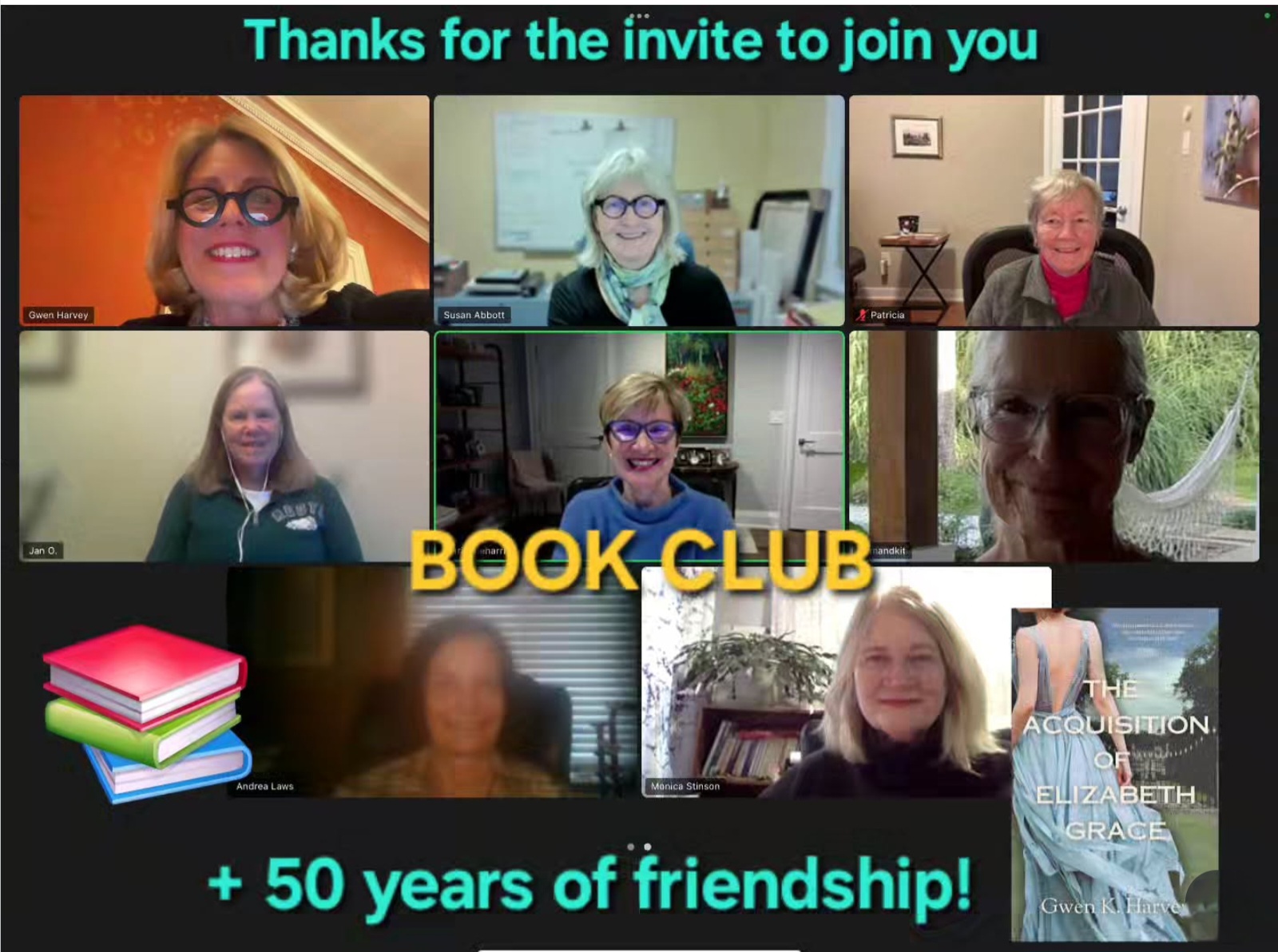 BOOK CLUB
Thank you to Marianne Harris for inviting me this winter to join your book club over Zoom. Amazing to think you have all been together for 50 years, enjoying your growing friendships as you explore books. Thank you for all your kind words about The Acquisition of Elizabeth Grace.
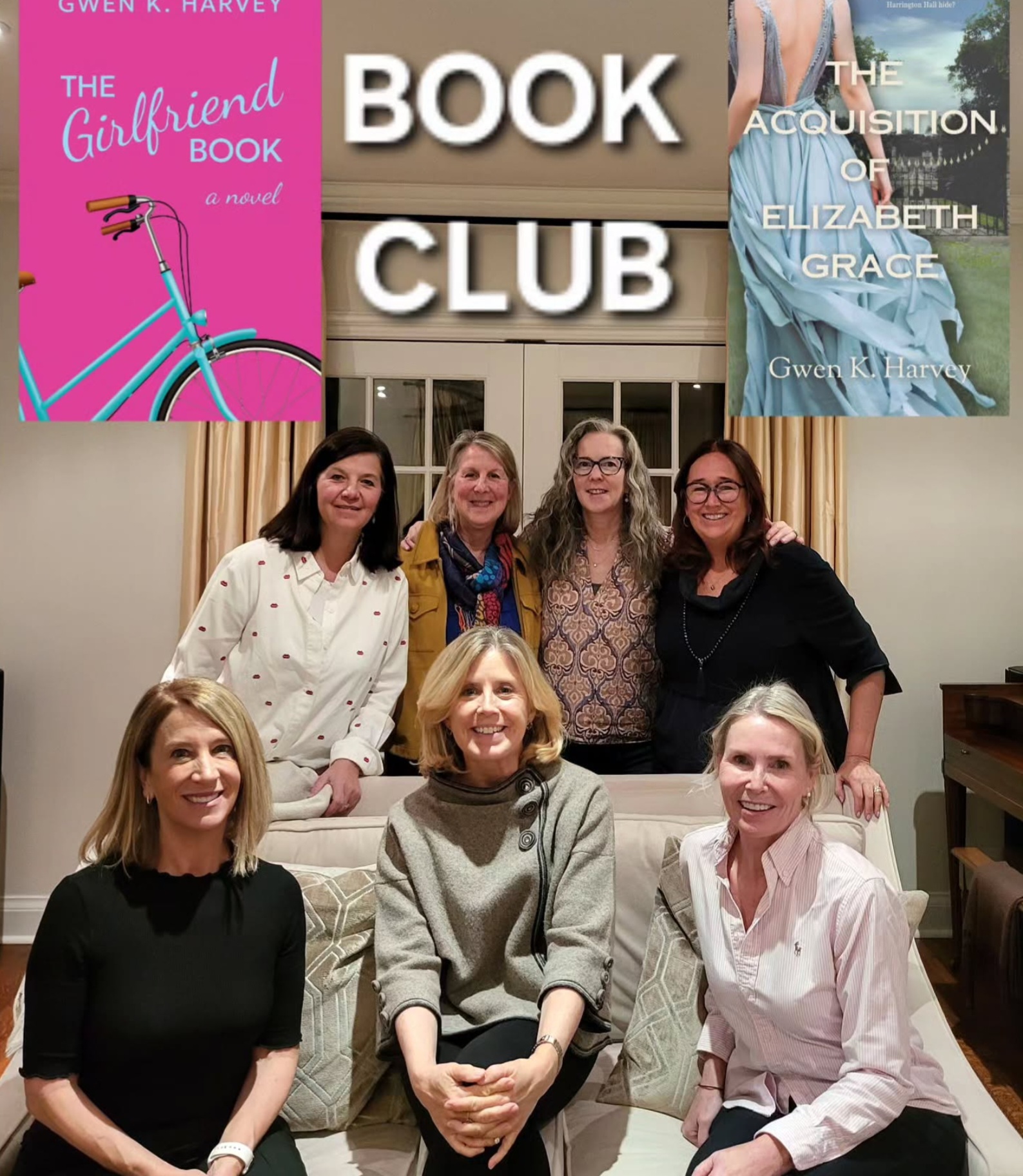 BOOK CLUB
Thanks to Claire Wales for inviting me to join you and your book club in your home. I so enjoyed meeting all of you and discussing both The Girlfriend Book and The Acquisition of Elizabeth Grace, along with the writing process and all the books you enjoy. Thanks for your support, insights and questions.
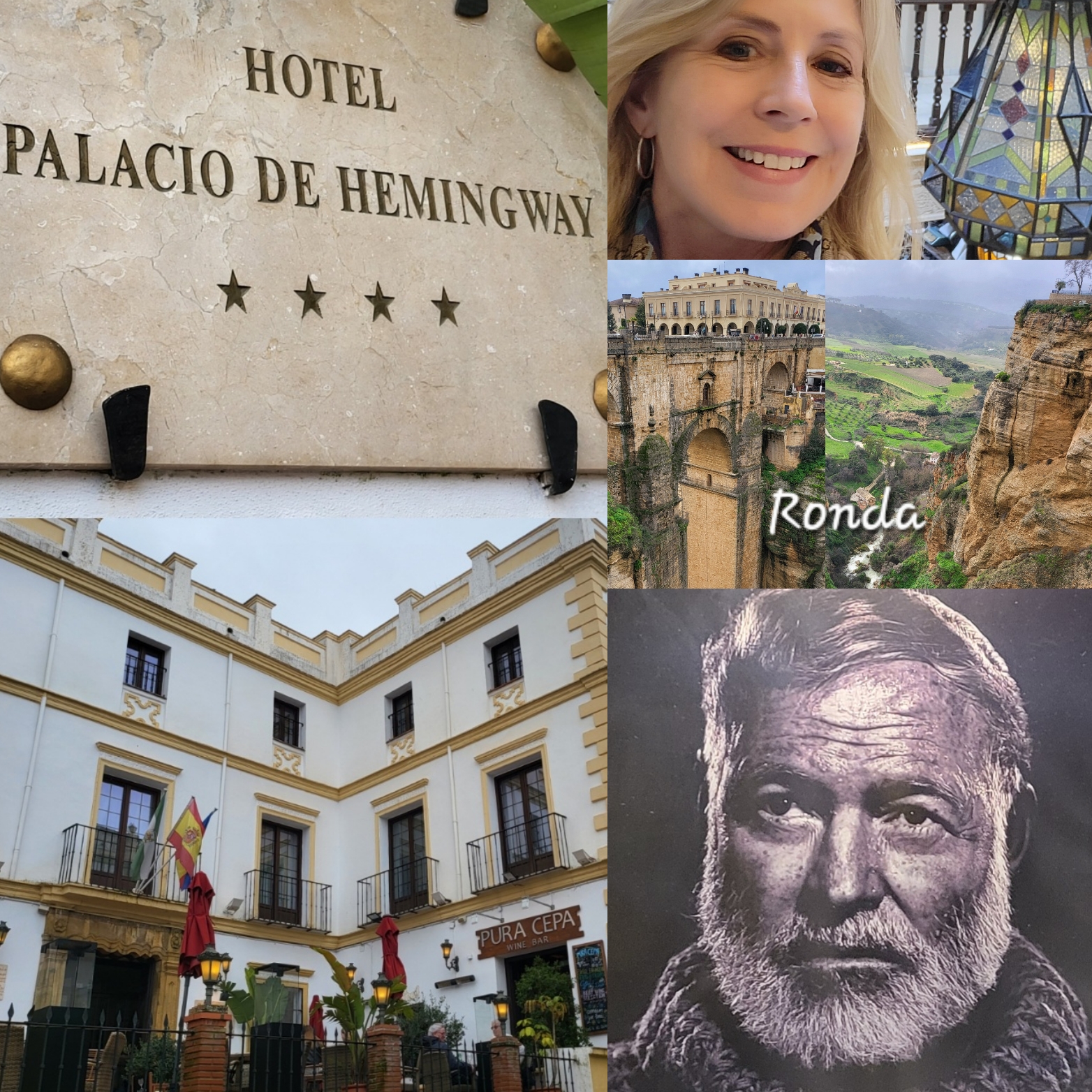 Hemingway in Spain
In February I traveled to Seville, Cordoba, Granada and Ronda. Hemingway was a frequent guest to Ronda, where he enjoyed the stunning scenery, friendly community and the bull fights. The hotel we stayed in was named after him and sported lots of Hemingway books, pictures and paraphernalia.
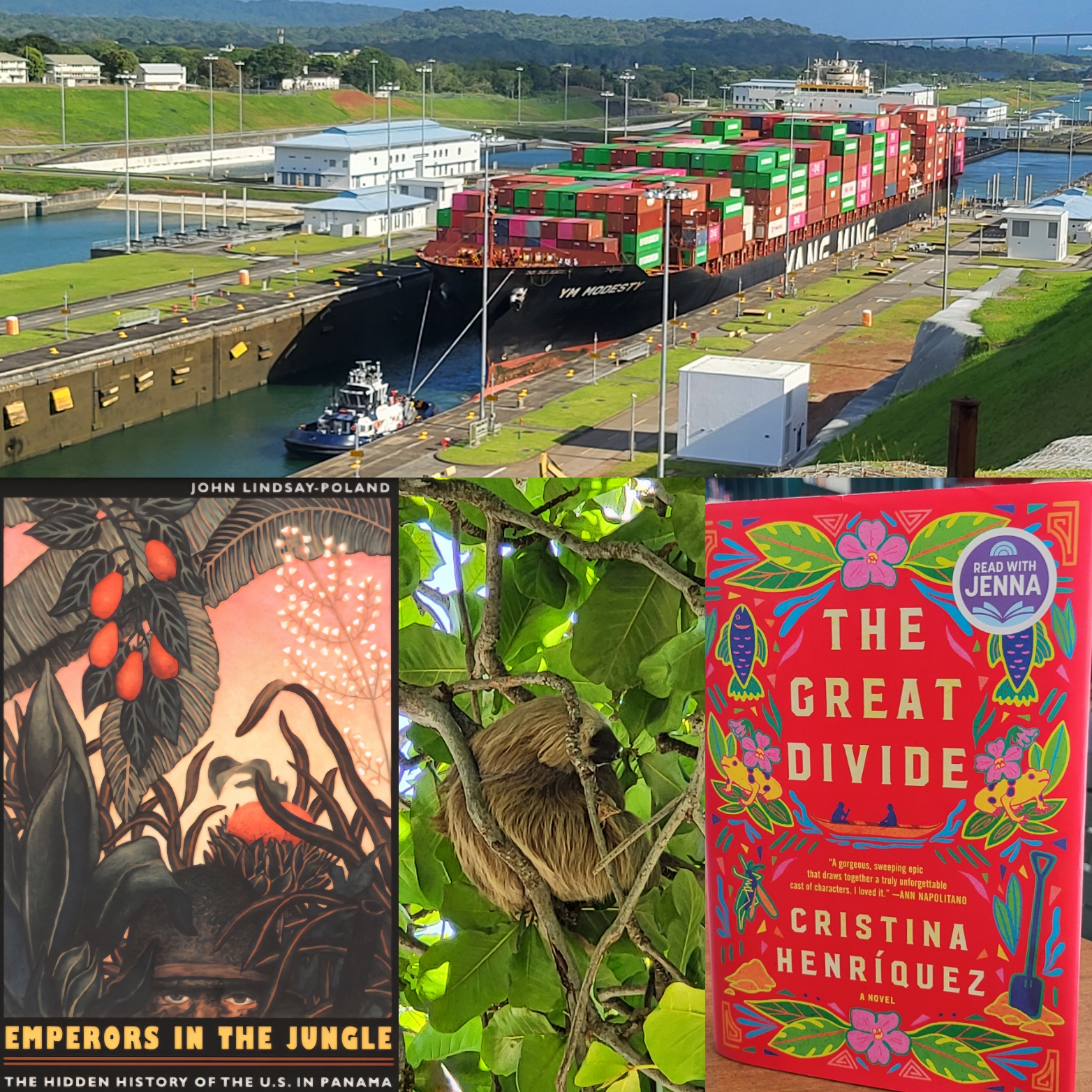 Panama
In preparation for a family trip to Panama in April, I read The Great Divide (fiction), about the building of the canal, and Emperors in the Jungle (non-fiction) about the hidden history of the US in Panama (think chemical weapons testing & the contemplation of a nuclear blast to make a second canal).
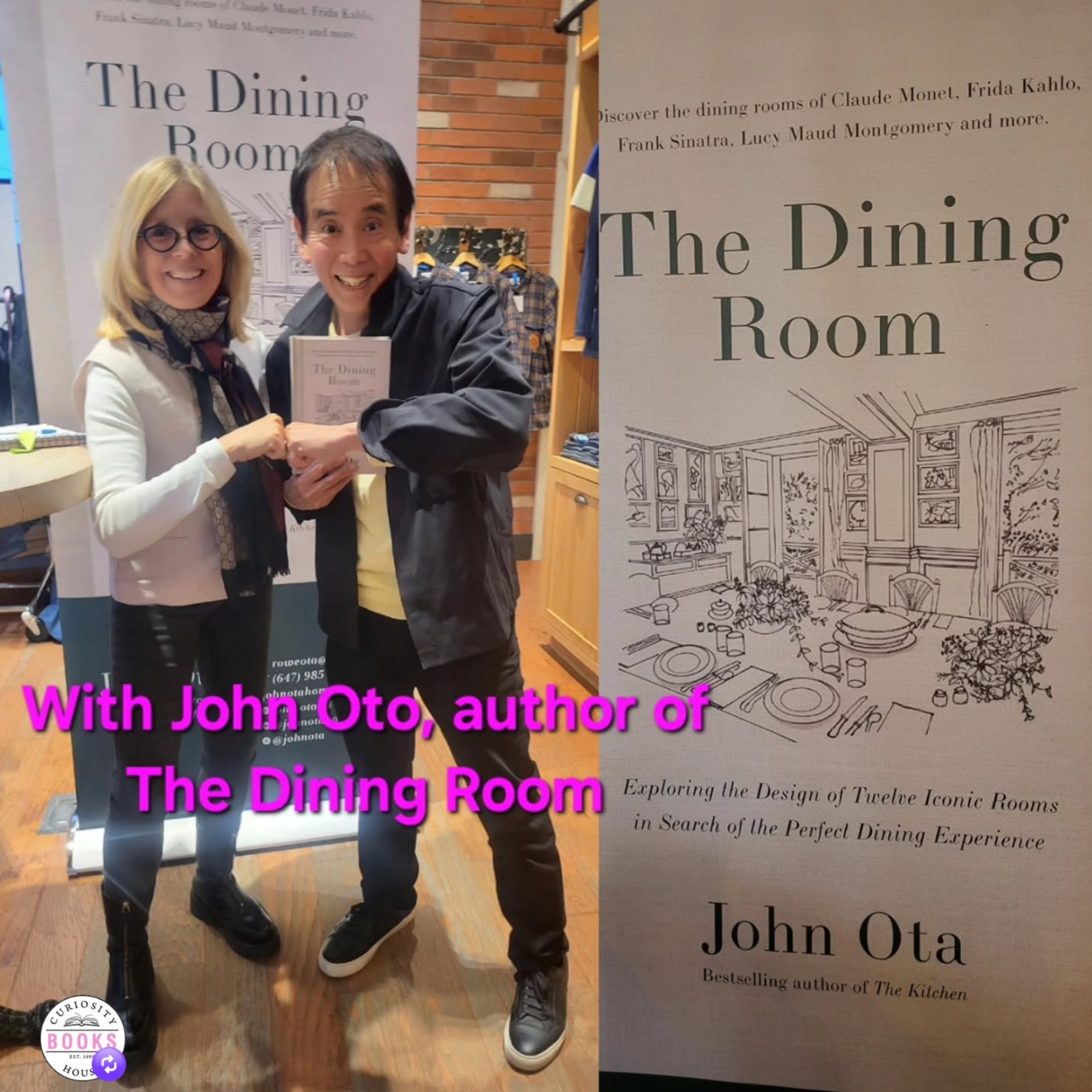 The Dining Room by John Oto
In May, Curiosity House Books in Creemore hosted a Beer & Books night at Creemore Springs Brewery. Guest author, John Oto, shared the story behind writing his book which takes the reader into 12 iconic dining rooms, including Claude Monet’s, Downton Abbey’s (Highclere Castle) and Chef Michael Stadtlander’s dining in the woods. Chef Stadtlander attended and joined in the conversation.
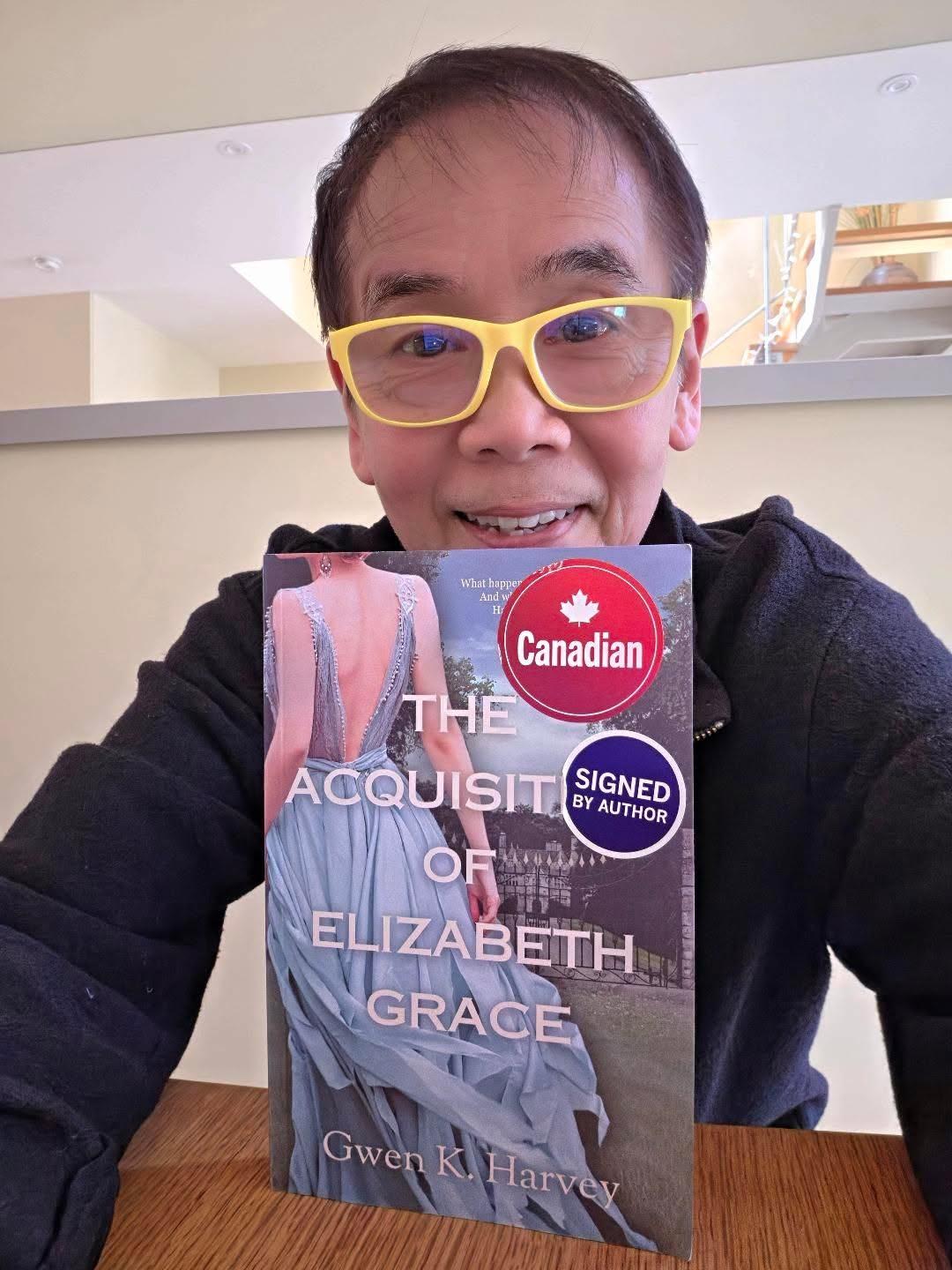 Thanks John!
After meeting John at his book appearance, I received a note and picture from him, saying he’d bought my book. I wonder if the dining room in Harrington Hall will catch his attention. I remember developing the chapter that described that elaborate room. While it was all imagined, I can still see the rich draperies, chandeliers, antique wood furniture, and all the silver and linen accessories.
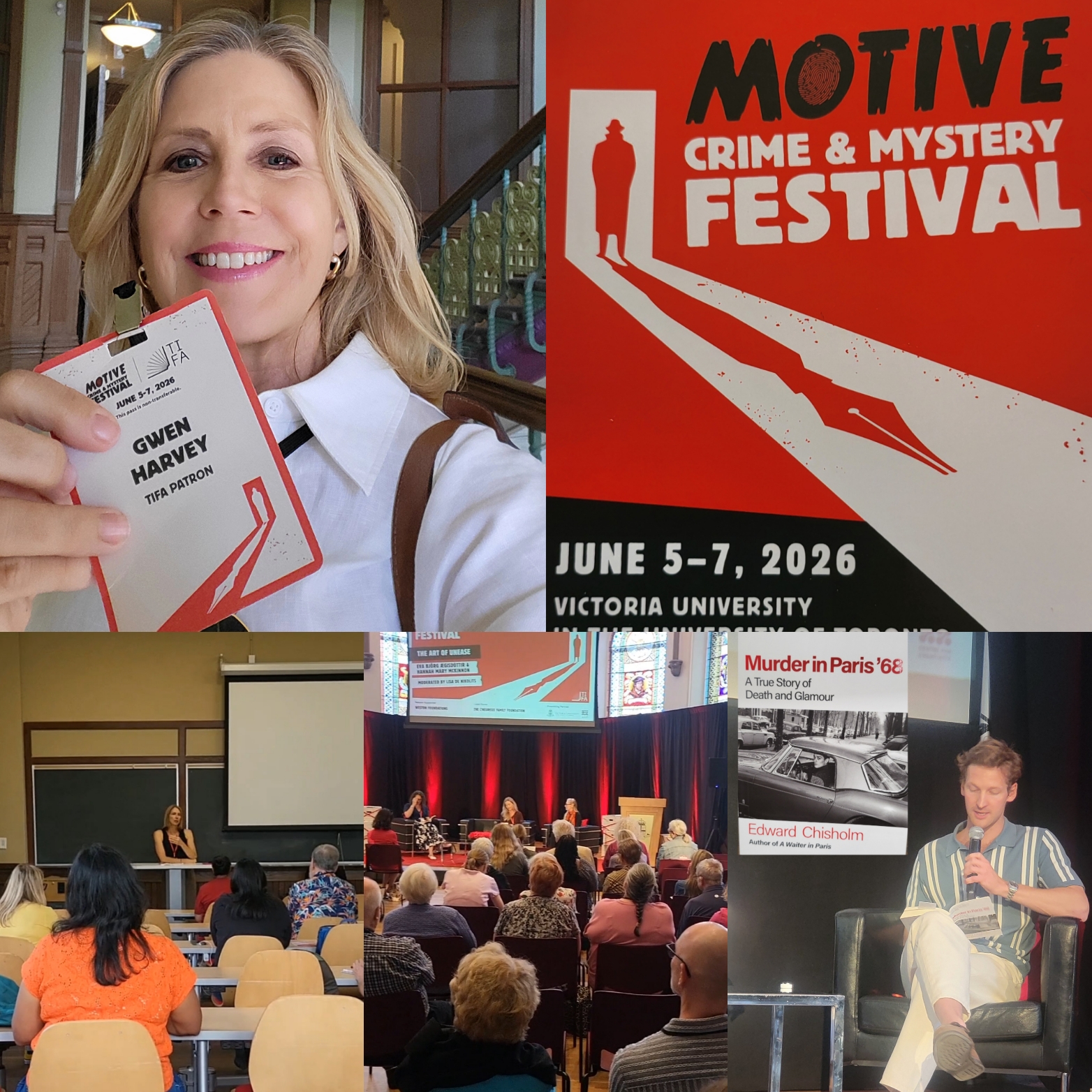 TIFA Crime & Mystery Festival
In June, I attended the Toronto International Festival of Author’s (TIFA) Crime & Mystery Festival. It was three packed days of hearing from acclaimed thriller authors in lecture and panel settings. In particular I loved taking the three Masterclasses that covered Character Development, Plotting, and Editing.
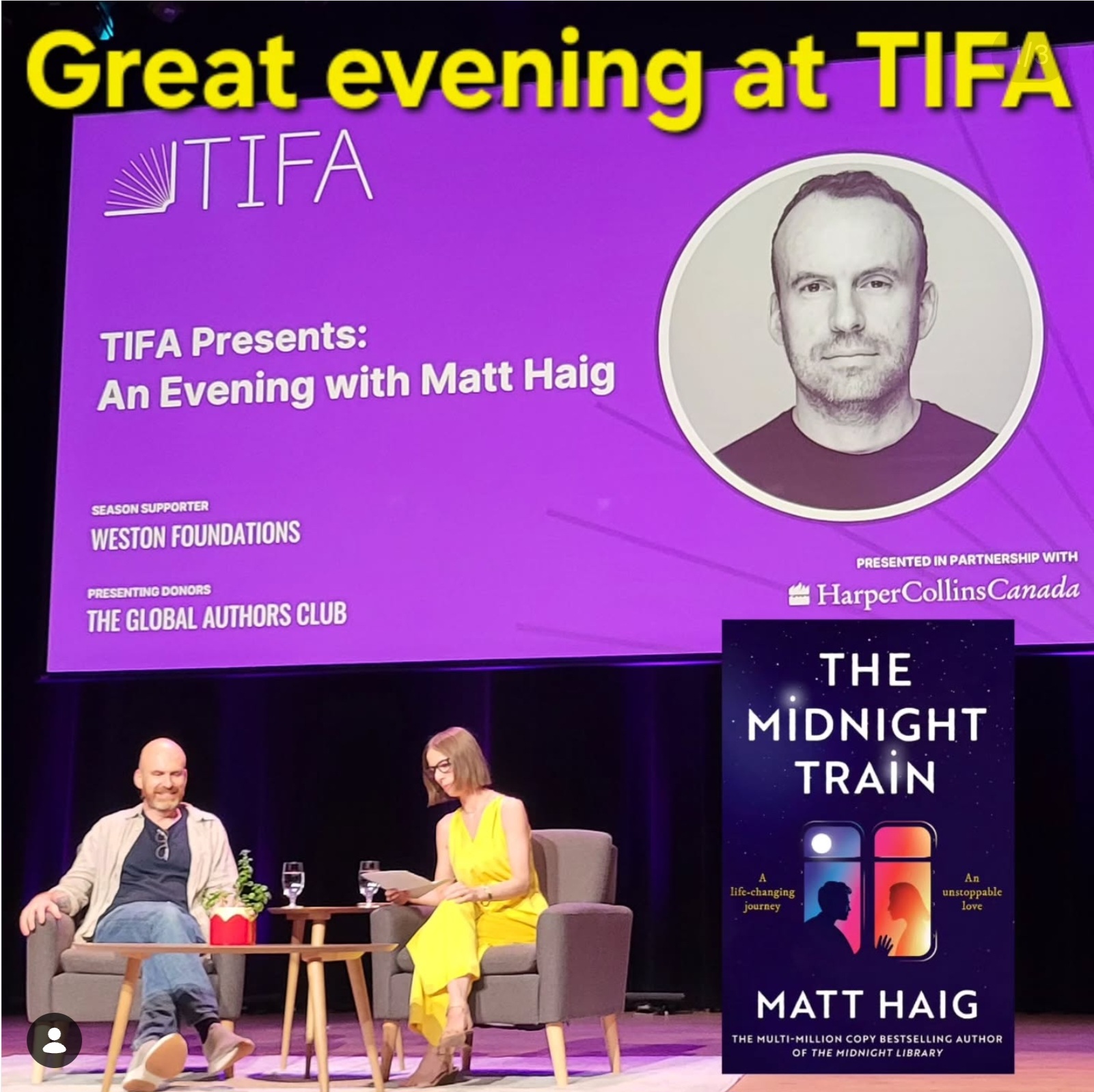 Matt Haig
We know Matt Haig from his best seller, The Midnight Library. Now he is back with The Midnight Train. It’s not a sequel and while he tried to explain why it was called that, one had to think a marketing angle was involved. Thanks to Sue Marshall/ for joining me. Great to be with you as we heard from this author about his writing, his life and his new book.
 Wine, Women & Wealth
5pm Wednesday, September 23rd, 2026. Thank you to Erin Henderson of The Wine Sisters for the invitation to speak about my journey from financial services to writing fiction. I look forward to meeting my two co-speakers, a Globe & Mail Personal Economics Journalist and a two time fintech founder.
 Are you in a Book Club?
I’m open to attend virtually by Zoom or Teams. Or I’m happy to answer your questions via email and return them to you in time for your Book Club meeting.
Please do enquire. I can be reached at gwen@gwenkharvey.com.
Enjoying the Newsletter? Scroll down to the bottom of the page and sign up!
You’ll get each monthly newsletter delivered straight to your inbox!